
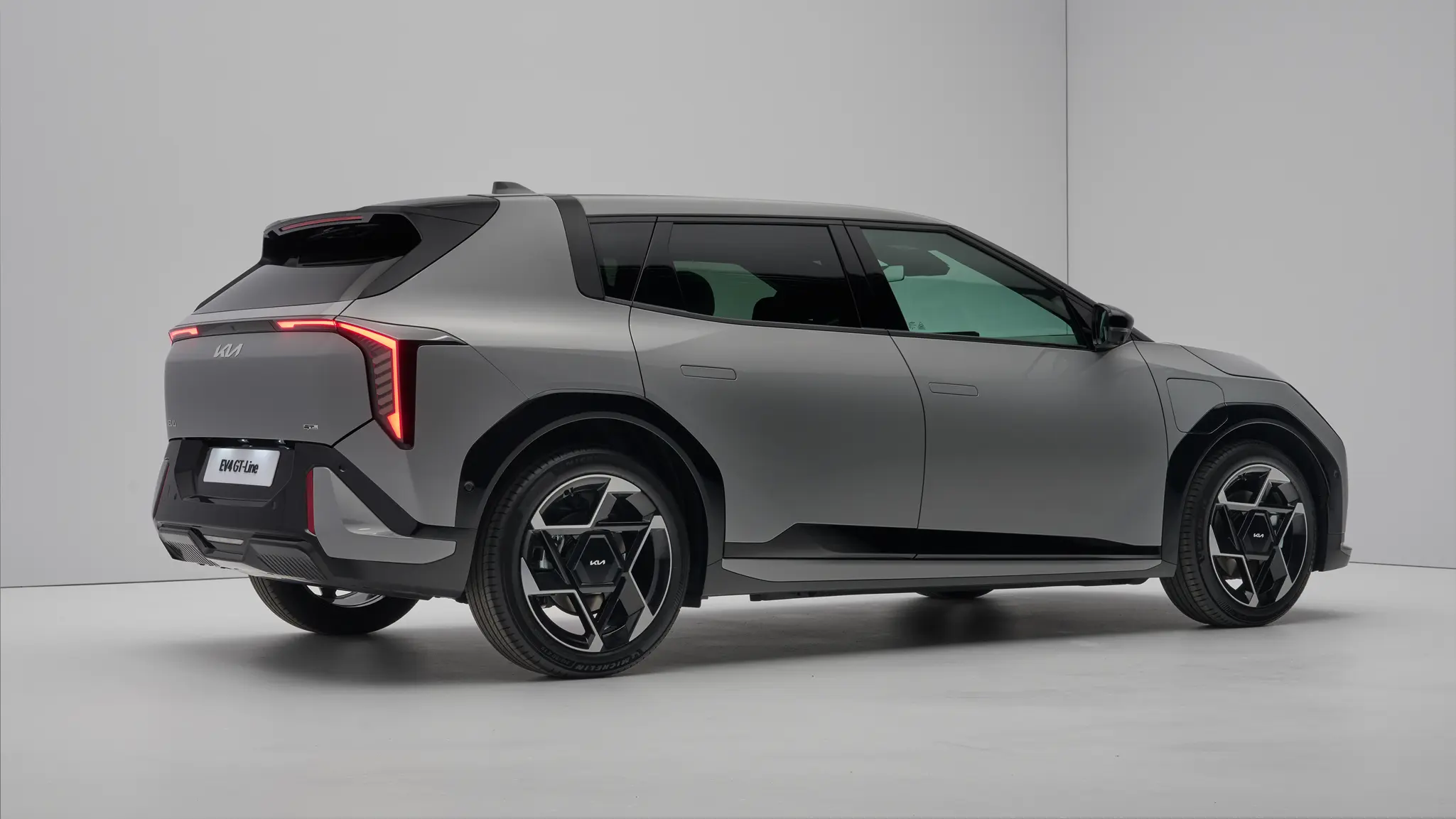

The upcoming Kia EV4 is positioning itself as a standout option in the compact electric vehicles market, prioritizing driver engagement alongside traditional EV efficiency. Built on the Hyundai Motor Group’s dedicated E-GMP platform, this new electric hatchback promises to inject some much-needed personality into a segment that often prioritizes utility over flair. With a reported range of up to 388 miles and a chassis tuned for enjoyment, Kia is signaling that practical daily drivers don’t have to be boring.
Two Battery Options and Solid Range
Kia is equipping the EV4 with flexible power options to suit different driver needs. According to a first-drive report by TechRadar, the vehicle will feature two distinct battery choices. While the specific capacity in kWh hasn’t been officially detailed for every region yet, the impact on range is significant. The larger battery pack is expected to deliver a massive 388 miles (WLTP) on a single charge. This figure places the EV4 well above many entry-level competitors, addressing range anxiety directly for those looking to use a hatchback as their primary vehicle.
Performance figures suggest a balance between efficiency and responsiveness. The EV4 reportedly manages the 0-62mph sprint in 7.5 to 7.9 seconds, depending on the battery configuration chosen. While this doesn’t chase the supercar acceleration figures of high-end performance EVs, it sits comfortably in the “punchy” territory expected of modern electric hatchbacks. By utilizing the E-GMP architecture, the EV4 also benefits from the inherent advantages of dedicated EV technology, including optimized weight distribution and the potential for competitive fast-charging speeds that the platform is known for across the Kia and Hyundai lineup.
Bringing Excitement Back to Hatchbacks
The hatchbacks segment has historically been the battleground for “hot hatches”—cars that are practical for groceries but fun on a back road. In the transition to electrification, some of that character has been lost to heavy curb weights and sterile driving dynamics. Kia aims to reverse this trend. The EV4 features bold, geometric styling that aligns with the brand’s “Opposites United” design language, ensuring it looks distinct from the softer curves of rivals like the Volkswagen ID.3.
Beyond aesthetics, the driving experience is tuned for engagement. Initial impressions suggest Kia has managed to engineer a comfortable ride that doesn’t sacrifice road feel, a common trade-off in heavy EVs. By leveraging the low center of gravity provided by the floor-mounted battery pack, the EV4 offers stability and agility that should appeal to driving enthusiasts. This focus on “excitement” is a strategic move to differentiate the car from being just another appliance-like commuter. It frames sustainability not just as an environmental choice, but as a lifestyle upgrade that includes better design and better driving dynamics.
Market Position and Availability
The introduction of the EV4 comes at a critical time for the industry. As manufacturers race to fill the gap for affordable, smaller electric cars, the EV4 serves as Kia’s answer to the delayed Tesla Model 2 and the expanding lineup of Chinese EVs entering global markets. By offering a high-range variant immediately, Kia is targeting buyers who might otherwise look at larger crossovers simply for the battery capacity.
For consumers, the value proposition hinges on how Kia prices these two battery tiers. If the entry-level model maintains the competitive pricing strategy seen with the EV3, the EV4 could become a volume seller. The combination of 388 miles of range, distinct styling, and the reliable E-GMP backbone makes this a formidable contender. It moves the conversation past simple adoption of green tech and toward desiring the product on its own merits. We expect further details on pricing and regional availability to surface closer to the official launch window.